Fire and emergency situation wardens are the quiet foundation of a risk-free office. When alarm systems ring or a pipe tears or a colleague falls down in the stairwell, people want to the high-visibility hats and calm voices. Compliance obtains you to a standard, but real preparedness originates from training that is relevant to your site, practiced under stress, and refreshed consistently. I have actually run loads of evacuations and post-incident testimonials throughout offices, storage facilities, hospitals, and high-rise household structures. The patterns are consistent: the sites that train well move swiftly and deliberately, the ones that treat training as a tick-the-box exercise delay at the stairwell doors.
This overview lays out what "great" resembles. It maps the typical lawful and competency structures, clarifies the PUA units (PUAFER005 and PUAFER006) that sit behind a lot of Australian fire warden training, deciphers the warden hat system, and shows how to construct a lean, certified training plan that actually functions when things go sideways.
The role, stripped back to essentials
Emergency wardens keep individuals secure throughout an unusual occasion while shielding company connection. That is the job in one sentence. Everything else supports it. In method, a warden should determine the occurrence type, connect plainly, relocate individuals far from injury, coordinate with the Emergency situation Control Organisation (ECO), and turn over to very first responders. A chief warden directs that initiative, sets the tempo, and makes trade-offs when two priorities compete.
Across industries, the core circumstances recur: emergency alarm and smoke from equipment, clinical emergencies on stairways or in plant rooms, power failings that catch individuals in lifts, chemical leakages from cleaners or lab supplies, flood access at filling docks, aggression in customer-facing areas, and false alarms that attract complacency. If your warden training concentrates just ablaze, you are leaving threat on the table.
The dimension and design of the website issue. A single-level workplace with 120 personnel is a various suggestion from a 14,000 square meter warehouse with racking to the ceiling and forklifts at rate. The ECO structure ought to fit your site, not the other means around.
The frameworks that shape training
Most Australian workplaces seek to AS 3745 Preparation for emergency situations in facilities for framework and terminology. It is not regulation itself, yet regulatory authorities commonly treat it as the benchmark. emergency management warden training It requires an Emergency Preparation Board (EPC), an Emergency Situation Strategy, and an Emergency situation Control Organisation inhabited by wardens and a chief warden. It anticipates training, exercises, and records.
Competency-based training for wardens after that ties to two national systems:
- PUAFER005 Run as component of an emergency control organisation PUAFER006 Lead an emergency situation control organisation
These systems rest within the Public Safety Educating Bundle and are supplied by Registered Training Organisations. Many companies label them just as a fire warden course or chief fire warden course, yet the material extends more than fire. When you see puafer005 course or puafer006 course on a pamphlet, you are considering the official foundation for warden training and chief warden training.
Other items round out the image. Possible emptying drills a minimum of yearly, regional inductions for new wardens, very first attack firefighting familiarisation if you bring extinguishers, and intermediary with the local fire solution, especially for facility sites. If you sit in a structure with a monitored fire indication panel, know the call-out procedure and what happens when the brigade turns up.
What PUAFER005 and PUAFER006 actually cover
PUAFER005 Run as part of an emergency situation control organisation concentrates on the wardens that carry out the strategy. The usual components include recognizing emergency types, using communication systems, sweeping locations, aiding persons with special needs, and implementing emptying or shelter-in-place choices. In every trustworthy puafer005 operate as part of an emergency control organisation program, you must exercise radio discipline, use of neighborhood caution devices, and structured reporting to the chief warden. In my sessions, I still see people freeze on the initial radio call. One 90-second method round resolves that.
PUAFER006 Lead an emergency situation control organisation is the chief layer. It covers creating and preserving the ECO, leading an action, dynamically evaluating threat, taking care of contrasting info, and communicating with external services. Good puafer006 lead an emergency control organisation training throws curveballs: an obstructed stairwell, a missing out on warden, a defective alarm system zone. A chief warden who has not rehearsed those moments often tends to wait for best info. Real cases rarely permit that luxury.
Both systems stress synergy and communication. That is purposeful because individuals panic in silence. If you are budgeting, schedule PUAFER005 for all wardens who use red or yellow hats, and PUAFER006 for principal and replacement wardens, frequently in white hats. Some sites run a mixed emergency warden course over half a day for general wardens and a fuller chief warden course for leaders. The tags vary by service provider, however the expertises map back to the units.
How numerous wardens do you need?
There is no magic proportion, but there are constraints that help. Go for insurance coverage of each floor or zone with redundancy for leave and sick days. In a common five-level office with two fire stairs and a central lift entrance hall, I like 2 wardens per floor minimum, plus a marshal for each stairwell if populace mores than 60 per flooring. If you rely on a single warden and they happen to be on the school run, your ECO collapses.
Distribution and manufacturing sites need wardens who comprehend the format, especially locations with hazardous products or limited egress. Plant spaces and roof covering rooms need a plan that does not anticipate wardens to sweep hot, loud spaces filled with journey threats. Think about your warden map as a mesh, not a line of protection. Overlap is good.
If you share a building with other occupants, coordinate with the base building chief warden. Your warden count and training cycle ought to mesh with building-wide evacuation drills. I have seen renters hold an interior drill 2 weeks after a building-wide one. Staff ignore, and you lose credibility.
Fire warden hats and identification
High visibility matters in mayhem. Most Australian sites still utilize color coding to match functions. Red or yellow hats for wardens, white for the chief warden, and commonly environment-friendly for emergency treatment. The specific color mix ranges residential or commercial properties and suppliers, yet the convention that a chief warden hat is white is near universal. Ask the base structure supervisor if you are unsure.
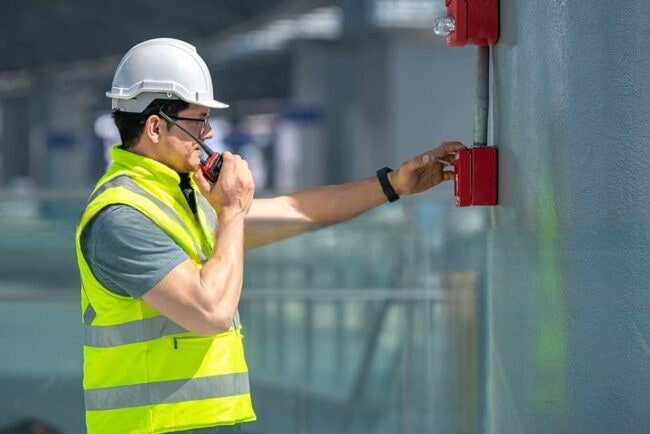
The inquiry what colour helmet does a chief warden wear still appears throughout inductions because not every person has actually been through a drill. Chief warden hat colour conventions exist for quality: staff demand to discover the person in charge promptly. You can likewise make use of high-vis vests if construction hats are not called for. In construction and some industrial settings, incorporate the warden identifiers with necessary PPE. A sticker package or helmet band fixes it. Do not produce a system that conflicts with safety and security regulations simply to satisfy a warden standard.
Timeframes and rejuvenate cycles that actually stick
Legally, several organisations choose yearly training and yearly evacuation exercises to line up with AS 3745 advice and common insurance company assumptions. In technique, the retention contour says for even more regular touchpoints. A basic rhythm functions well:
- Annual formal training for wardens: puafer005 for wardens and puafer006 for principals, or a robust internal refresher if you have already finished the units. One full-evacuation drill per year, preferably unannounced within a window, coordinated with the proprietor and fire panel company. One desktop computer drill per half-year for principals and deputies, 30 to 45 mins. Go through a situation, test decision factors, take a look at communications. Short, site-based alignment for brand-new wardens within one month of appointment. Show them stair doors, havens, EWIS panels, spill packages, defibrillators, and break-glass alarm systems. Do not rely on slides for this.
This tempo constructs muscular tissue memory without damaging efficiency. The very best drills I have seen last under 18 minutes door to door in mid-sized offices, with wardens back at their desks recording learnings while the memory is fresh.
What great fire warden training looks like
A strong fire warden course uses your structure, not a common format. Anticipate the trainer to request for layout, passenger loads, and the Emergency situation Strategy in advance. They need to incorporate known problems. Maybe lift vestibule doors have a tendency to close gradually in your structure, or one stairway pressurisation fan occasionally trips. These information transform exactly how you train.
Content needs to cover alarms, compartmentation, extinguisher choice and constraints, evacuation routes, assembly areas, and procedures for individuals with flexibility, sensory, or cognitive disabilities. It should additionally consist of radio method, straightforward scenario play, and a presentation at the fire indication panel if obtainable. When a company only talks with slides for three hours, your wardens will not remember what issues under stress and anxiety. An excellent warden course is energetic, not passive.
For chief fire warden training, request for more than titles and flowcharts. You want useful decision-making: when to leave on a sharp tone, just how to assign refuges, what to do when a warden reports smoke but no alarm, exactly how to manage a synchronised clinical emergency situation and a fire journey on a different floor, and how to communicate with firies when they turn up in the driveway desiring a sitrep. The puafer006 material sustains this, however its actual worth is in the practice.
The hats show up, the radios carry you
Comms make or break an ECO. If you run with handheld radios, keep them billed, classified by zone, and tested monthly. Use short, organized phrases. Stay clear of chitchat or theory during a case. I show an easy pattern: that you are, where you are, what you see, what you require. Example: "Level 8 Warden, north stairway, light smoke in passage, commencing sweep eastern to west." That sentence gets the chief warden three choices ahead.
Phone trees are a bad substitute. Call do not scale under pressure, they obstruct situational recognition, and they break the record if you require a timeline later. If you must make use of phones, established a bridge with push-to-talk or an application with team voice channels. Better yet, fund a handful of robust UHF radios and establish a charging routine. The price is low contrasted to the risk.
Extinguishers: when to use them, when to stroll away
A great deal of fire warden training still presses very first attack firefighting without nuance. Extinguishers are tools, not badges of guts. Here is the rule I use: if the fire is smaller than a rubbish bin, you have a clear egress behind you, and you have the ideal extinguisher, take one regulated attempt. If it does not knock down instantly, you pull back and close doors. Never utilize extinguishers in smoke-charged hallways or on unknown chain reaction. Powder is messy and can blind you in a plant area; CO2 starves oxygen but does nothing in the wind; water and electricity mix terribly. Teach the mnemonic for option, but more important, educate judgment.
For harmful goods websites, exceed generalist material. Run a targeted session with your security advisor or a dangerous products trainer. It is unreasonable to anticipate wardens to make complicated chemical choices from a laminated graph they have never ever made use of under pressure.
Visitors, service providers, and after-hours realities
A flooring loaded with regular staff behaves differently from a website with turning visitors and service providers. Your fire warden requirements in the workplace must show that. Reception personnel require an easy handover to the nearby warden during a reaction. Service providers should be inducted on the alarm tones and the setting up area prior to they pick up a tool. If you run changes, your ECO protection have to exist at 3 am, not simply at lunchtime.
After-hours is where many strategies stop working. I once examined a website where the only chief emergency warden functioned 7 to 3, and the web server area alarms usually stumbled at 5:30 pm. The repair was straightforward: assign and train replacements throughout changes, and give protection the authority to act as interim chief warden up until an educated individual arrives.
Special consideration for persons with disability
Real addition needs preparation, not guarantees. Create Personal Emergency Situation Discharge Plans for staff that require assistance. Train wardens on techniques that protect dignity and safety. Discharge chairs are only valuable if individuals method on the stairways they will make use of. If your building has actually fire isolated staircases with re-entry restrictions, determine re-entry degrees and keep them opened throughout an alarm based on building management procedures. Hearing loopholes, visual strobes, and tactile maps matter for some teams. Do not assume one-size fits all.
Evacuation assembly areas that work in actual life
Your assembly location must be much sufficient from polishing and falling debris, yet close enough for headcounts and welfare. This is easy to write and remarkably difficult to carry out in congested CBD areas. Walk the boundary. Look up for overhanging risks. Think about web traffic, shade, and weather condition. If your setting up is throughout an active roadway, select marshals for the crossings. If you share a public environment-friendly area with 3 other towers, mark secondary and tertiary areas and create the phone call in the plan: "If Park A is saturated, shift to Carpark B along the eastern fence."
Headcounts should be quick and filthy, not forensic. Wardens validate they swept their areas and report anyone left at refuge factors or last-seen locations. Chief wardens concentrate on dangers, missing persons, and communicating with emergency solutions, not best roll calls.
Record-keeping without the documentation swamp
You need proof of skills and proof of technique. Keep training documents for every warden by system or training course, with dates and suppliers. Maintain drill documents with date, situation, times, concerns, and rehabilitative activities. Store them where a person can locate them without you. Auditors worth clear, quick, and regular records. Longer is not much better. A single theme works throughout years. If you transform service providers, maintain control of your data.
Choosing an emergency warden course provider
All providers are not equivalent. Fancy brochures matter less than site-specific prep and teacher trustworthiness. Ask who will certainly provide your session, not simply who has the business. Provide your floor plans and ask exactly how they will certainly adapt material. Validate that the puafer005 and puafer006 proficiencies will certainly be satisfied if you need formal statements of attainment. If you only need a refresher, established expectations: short, energetic, building-based, with a live walk.
Price distinctions generally reflect traveling, time on site, and the ratio of participants to instructor. Be careful of carriers that load 30 wardens right into a three-hour port. The throughput is eye-catching for budgets, but the practice time drops to near no. You desire your individuals on their feet, speaking on radios, and walking routes, not entraped in chairs.
Building a straightforward, certified program
Here is a lean version that maintains you inside common expectations and all set for assessment or incident.
- Appoint an EPC with a chair who has the authority to allocate budget and time. Meet two times a year for 60 minutes. Evaluation events, drills, and training currency. Map your ECO to the building. Wardens per flooring or area, chief warden, replacement principal, and interactions officer if required. Keep a lineup with images. Revitalize it quarterly. Run PUAFER005 for brand-new wardens and PUAFER006 for chiefs. Rejuvenate annually with a 90-minute building-based session if official re-assessment is not required. Schedule one building-wide evacuation drill annually, plus one desktop computer workout for senior ECO. Document both. Maintain equipment: radios, vests, hats, and grab folders. A single person has the billing regular and checks monthly.
That is enough to pass audits in many work environments and, more significantly, to build capability. Add targeted components for your dangers: spill reaction for labs, aggressiveness management for retail front-of-house, or smoke control in intricate HVAC environments.
Common challenges and how to avoid them
Complacency after a false alarm creeps in quick. On the early morning after a problem journey, many staff overlook the next alarm system. Wardens need the self-confidence to move individuals regardless. Connect after every alarm, even if you did not evacuate. Describe the decision briefly. People learn your patterns.
Elevators throughout a discharge are one more repeat risk. If your building has firefighter lift service and skilled team, you might utilize it under stringent conditions to help persons with movement disability. Most sites must not. Train wardens to maintain lift entrance halls clear and to close lift doors when functional to dissuade use.
Door control matters greater than the majority of people think. Fire doors conserve lives by holding back smoke and fire. Propping them open with containers or wedges defeats the design. Include this in your regular safety walks and call it out throughout training. A warden that understands the building format can quit a little trouble from ending up being a big one by just shutting a door.
Radio chatter overload is foreseeable and avoidable. Teach self-control. If a warden reports a well-known threat, various other wardens must stay clear of re-reporting the exact same monitoring unless they have new info. The chief warden ought to recognize and direct, not narrate.
Finally, overreliance on someone, generally an expert centers manager, develops delicacy. Rotate chief warden tasks among qualified deputies every quarter. It constructs deepness and reveals spaces before a situation exposes them.
The inquiries you will be asked
Expect personnel to inquire about fire warden hat colour, assembly points, whether they can grab individual items, and the length of time drills will certainly take. Response plainly. The chief warden responsibilities include clear, concise communication and a desire to repeat yourself. Provide a two-page staff overview during onboarding. When individuals understand what to expect, they comply faster.
Tenants typically ask what colour helmet does a chief warden wear due to the fact that they wish to know that to comply with. If you utilize vests as opposed to helmets, keep the exact same shade coding logic. Red or yellow for wardens, white for chief. Make it regular across changes and websites where possible, and label gear with names and roles.
When the plan satisfies reality
Two quick snapshots from recent years. In a CBD tower, a toaster set off a localized smoke detector on Level 22. The alert tone seemed on that particular floor just. The wardens hesitated, uncertain whether to await the discharge tone. Training had concentrated on the complete building emptying regimen, not the partial one. The delay maintained individuals in the smoke much longer than needed. Afterward, we ran a 30-minute refresher on the difference between tones and just how to make a floor-only evacuation decision, and we exercised the radio manuscript. That little fix altered actions the next time.
In a logistics website, a forklift battery fire began behind a charging financial institution after hours. Two wardens on the late change had actually finished PUAFER005, and the chief warden had done PUAFER006. They isolated power, drew the alarm, brushed up the bays, kept people out of the smoke course, and relocated the headcount to a secondary setting up because the wind shifted. When https://zanderafeo889.wpsuo.com/warden-training-drills-creating-effective-method-circumstances the brigade got here, the principal had a succinct sitrep: beginning, suppression efforts, hazards, all individuals made up. The firefighters commented that the handover conserved them five mins. Under smoke, 5 mins is a lot.
Final thoughts that obtain you moving
Emergency warden training is not glamorous, yet it is just one of the cleanest threat controls you can buy. The standards give you a structure. The puafer005 and puafer006 proficiencies offer you a measurable standard. Your website, your dangers, and your people give you the details. Keep the program easy, exercise the difficult minutes, and invest in clear comms.
Whether you are standing a new emergency warden course for an expanding team or freshening a mature program that has drifted, begin with three steps: validate your ECO lineup and coverage, timetable a building-based warden training session that maps to PUAFER systems, and secure the day for your yearly drill. Conformity follows when capability leads.
Take your leadership in workplace safety to the next level with the nationally recognised PUAFER006 Chief Warden Training. Designed for Chief and Deputy Fire Wardens, this face-to-face 3-hour course teaches critical skills: coordinating evacuations, leading a warden team, making decisions under pressure, and liaising with emergency services. Course cost is generally AUD $130 per person for public sessions. Held in multiple locations including Brisbane CBD (Queen Street), North Hobart, Adelaide, and more across Queensland such as Gold Coast, Sunshine Coast, Toowoomba, Cairns, Ipswich, Logan, Chermside, etc.
If you’ve been appointed as a Chief or Deputy Fire Warden at your workplace, the PUAFER006 – Chief Warden Training is designed to give you the confidence and skills to take charge when it matters most. This nationally accredited course goes beyond the basics of emergency response, teaching you how to coordinate evacuations, lead and direct your warden team, make quick decisions under pressure, and effectively communicate with emergency services. Delivered face-to-face in just 3 hours, the training is practical, engaging, and focused on real-world workplace scenarios. You’ll walk away knowing exactly what to do when an emergency unfolds—and you’ll receive your certificate the same day you complete the course. With training available across Australia—including Brisbane CBD (Queen Street), North Hobart, Adelaide, Gold Coast, Sunshine Coast, Toowoomba, Cairns, Ipswich, Logan, Chermside and more—it’s easy to find a location near you. At just $130 per person, this course is an affordable way to make sure your workplace is compliant with safety requirements while also giving you peace of mind that you can step up and lead when it counts.